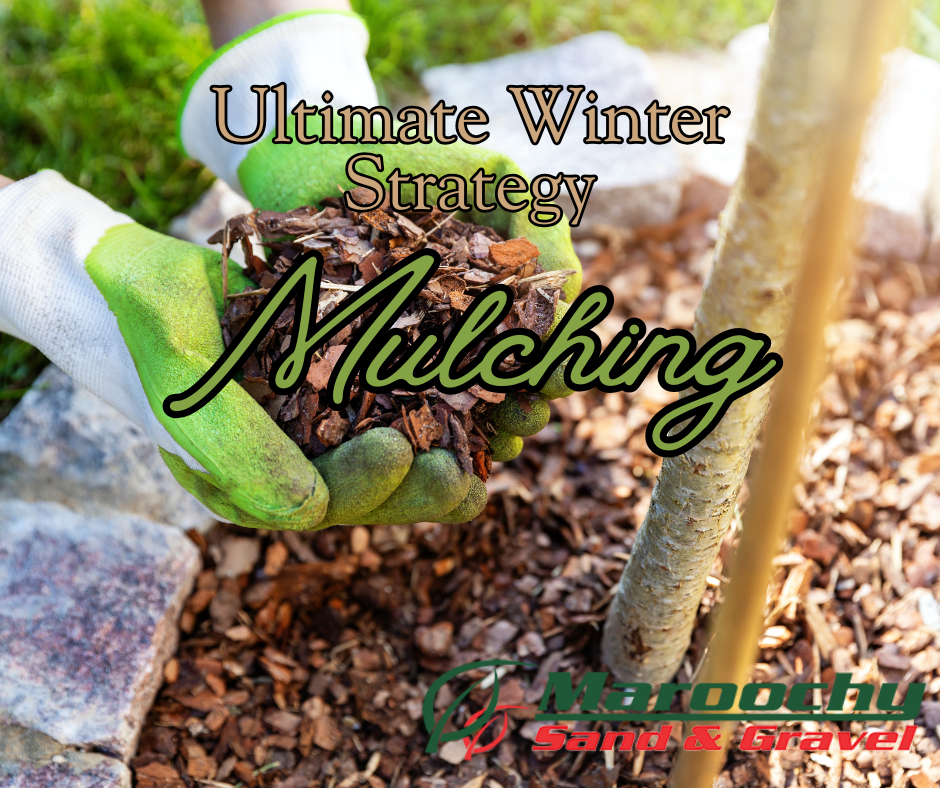
While the Sunshine Coast enjoys beautifully mild winter days, our garden’s are quietly working hard behind the scenes. Between the cooler night temperatures and the dry, gusty winds that often creep in toward the end of winter, your soil can take a beating. if you want vibrant, low-maintenance garden that bounce back effortlessly when spring arrives, the secret isn’t a complex fertilizer routine- it’s mulching.
Many homeowners wait until spring to top up their garden beds, but tackling this job in winter gives your soil a massive head start. Here is why winter is the absolute best time to mulch, and how to choose the right variety for your yard.
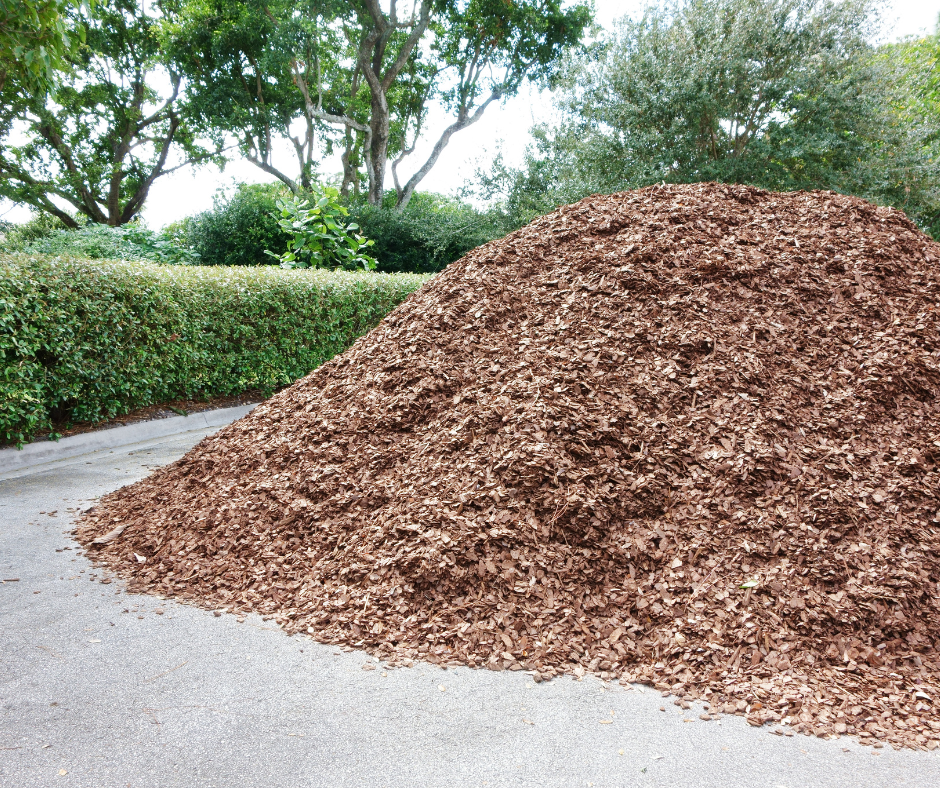
Why Winter Mulching Is A Game Changer
Applying a fresh layer of mulch right now offers three major benefits for your Queensland Garden.
- Moisture Retention: our winter and early spring months can be surprisingly dry. A thick layer of mulch acts like a protective blanket, sealing in moisture so you don’t have to water as nearly as often.
- Weed Suppression: Weeds are opportunistic. the moment your summer plants slow down their growth, weeds try to take over. Mulch blocks out the sunlight they need to germinate, saving you hours of weeding later on.
- Soil Temperature Regulation: While we don’t get freezing temperatures, the drop in night-time soil temperature can shock delicate plant roots. Mulch keeps soil temperatures table, keeping root systems warm and active.
Which Mulch is Right For Your Project.
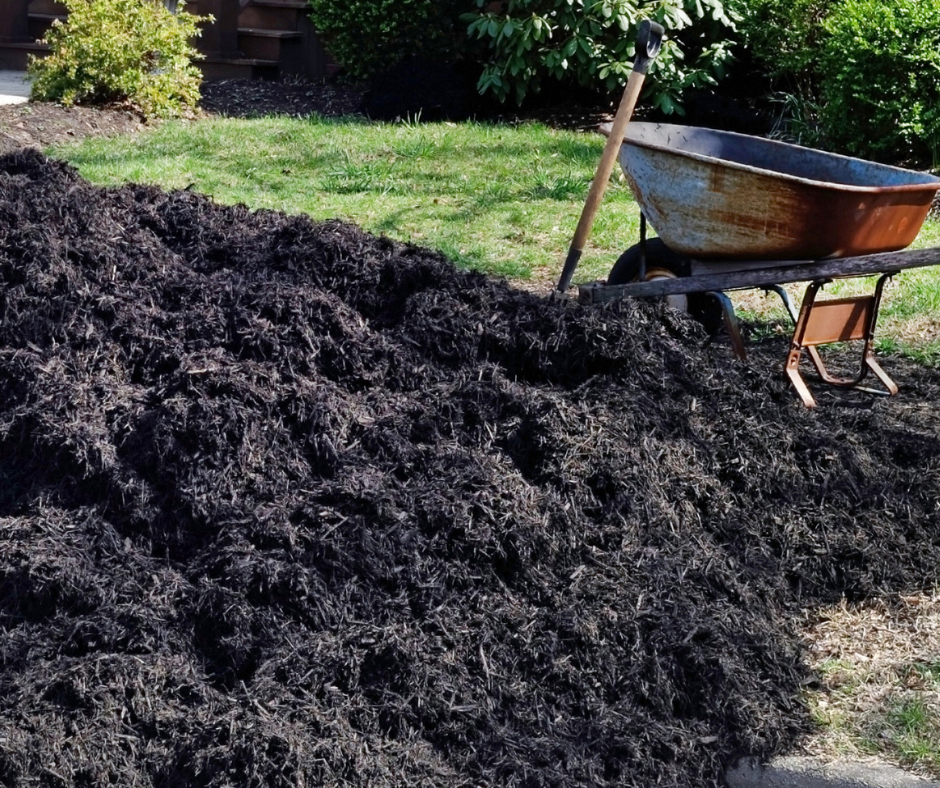
Not all mulches are created equal. Depending on your budget, your plants, and the look you want to achieve, different materials serve different purposes. Here’s a quick breakdown of the popular options you can pick up from the yard.
| Mulch Type | Best Used For | Key Advantage |
|---|---|---|
| Bark & Woodchips (e.g. 10-20mm Bark Or Cypress) | Main feature garden beds, around trees, and windy areas. | Highly durable, heavy enough not to blow away, and gives a clean professional look. |
| Budget / Forest Mulch | Large areas, acreage, embankments, and native gardens. | Extremely cost-effective for covering massive spaces while still improving soil structure as it breaks down. |
| Tea Tree Or Straw-Based Mulch | Vegetable gardens, Herd beds, and fruit trees. | Breaks down faster to enrich the soil with nutrients, and tea tree has a fantastic aroma that pests dislike. |

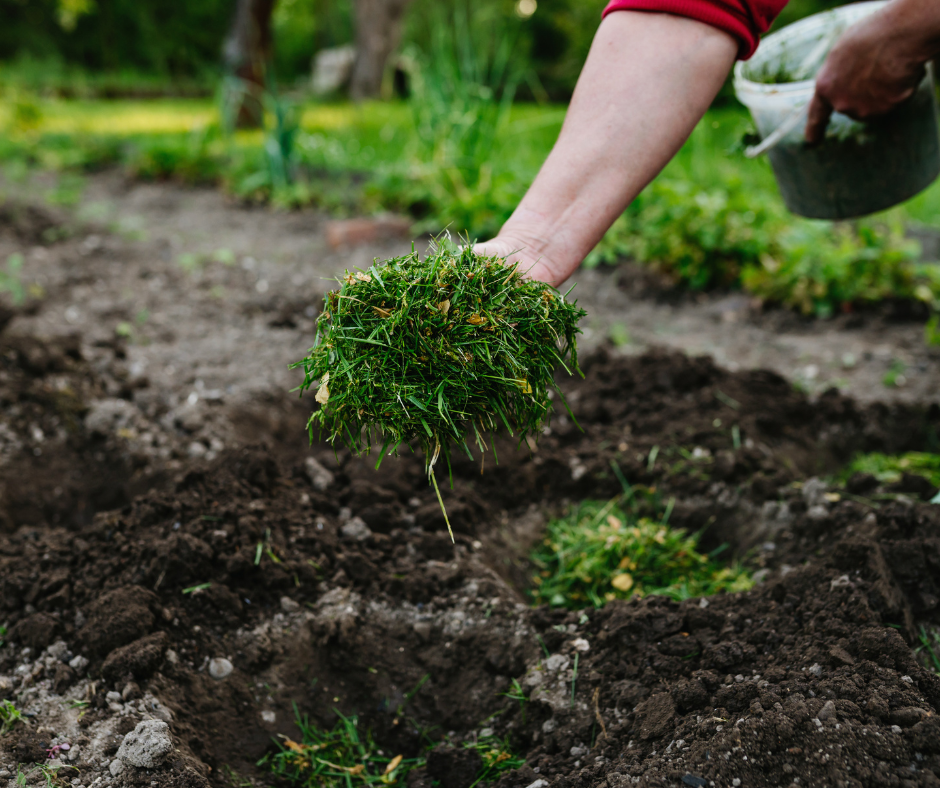
Pro Tips for Perfect Application
To get the absolute most out of your winter mulching session, keep these three rules of thumb in mind.
- Aim for the Sweet Spot (75mm-100mm): If your mulch layer is too thin, weeds will push right through and water will still evaporate. if it’s too thick (over 120mm), water won’t be able to penetrate down to the soil. Aim for a solid 3 to 4 inches of coverage.
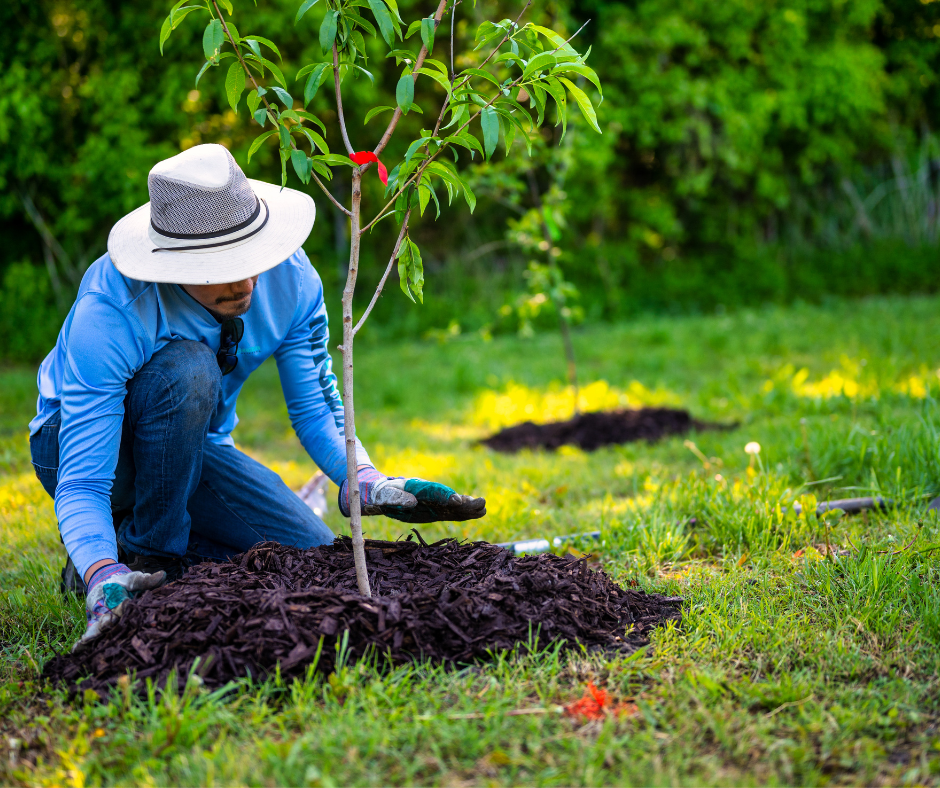
- Give Your Plants Some Breathing Room: Never pile mulch right up against the stems or trunks of your plants (often called “mulch volcano”). Leave a clear 2 to 3 inch gap around the base of the plant to prevent moisture build-up, which can cause rot and fungal diseases.
- Water Before And After: For the absolute best results, thoroughly water your garden beds Before you apply the mulch to lock that moisture into the earth, then give the mulch a light spray After to help settle it into place.
Taking a weekend to refresh your garden beds now means you can sit back, relax and enjoy a thriving, green yard come September.
Whether you need a few bags to top up a small garden or a couple of cubic metres delivered straight to your driveway, we’ve got you covered. Check out our full range of quality mulches and barks online, or pop into the yard to see them for yourself and chat with our team about the best for for your garden.